
Repair First: Keep Furniture Alive, Cut Emissions, Save Money
The Environmental Case for Extending Lifespan

Cost Reality: Repairs Versus New Purchases
Weekly Dusting and Protection Steps
Monthly Inspections for Joints, Fasteners, and Wear
Seasonal Deep Care for Climate and Humidity Shifts
Materials Matter: Wood, Metal, Upholstery, and Composites
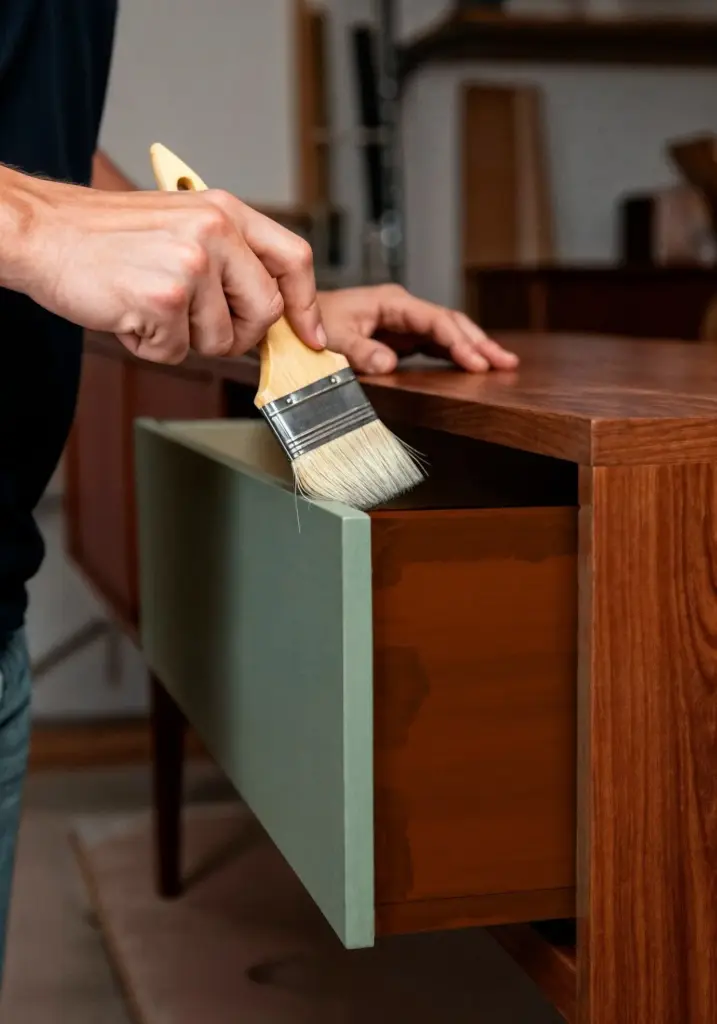
Solid Wood and Veneer: Moisture, Finish, and Joinery
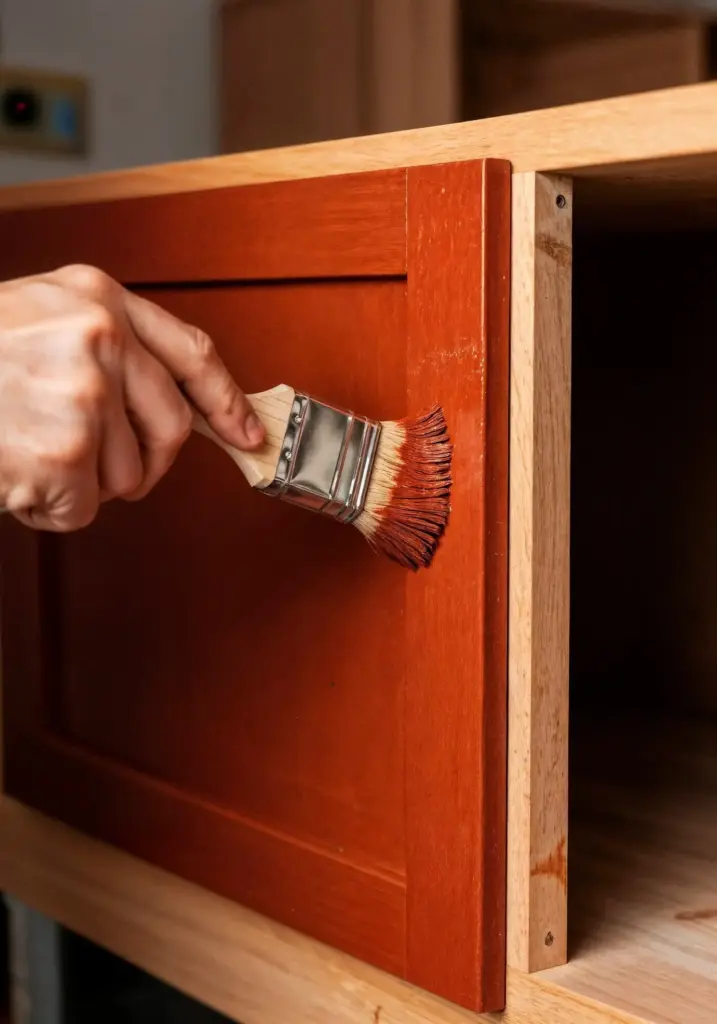
Metals: Rust Prevention, Lubrication, and Hardware

Fabrics and Foams: Cleaning Codes, Spot-Treatment, and Breathability
DIY Fixes Done Right and Safely
Tools, Adhesives, and Replacement Parts That Last
Choose tools you can control precisely, not just powerful ones. Wood glues should be appropriate to joint type and moisture exposure, with open time for careful alignment. Keep assortments of screws, dowels, sliders, and felt pads. Favor reversible adhesives where feasible, and label spare parts clearly so future fixes happen faster, safer, and with fewer mistakes.
Step-by-Step for Loose Joints and Wobbly Frames
Disassemble gently, marking orientation with painter’s tape. Clean out failed glue completely, dry-fit components, and correct misalignment before applying adhesive. Clamp evenly with cauls to protect surfaces. Reinstall hardware to original torque. Test quietly for racking, then return the piece to service knowing strength is restored without introducing new stress concentrations that shorten future life.
Upholstery Touch-Ups Without Tearing or Warping
Remove pills with a fabric shaver, ease puckers with steam held at distance, and support seams from beneath when stitching. For sagging webbing, replace with compatible materials and maintain tension evenly. Avoid oversoaking foams. Gentle, incremental adjustments protect silhouettes, preserve resilience, and keep seating delightful without risking hidden damage that only appears weeks later.
Finding Local Repair Pros and Circular Resources
How to Vet a Repair Shop with Confidence
Ask for before–after photos, references, and warranty terms. Clarify adhesives, finishes, and parts they plan to use, aiming for reversibility and compatibility with existing materials. Request a written scope and timeline. A transparent conversation reveals craftsmanship, aligns expectations, and keeps your piece’s history intact while ensuring the work genuinely extends life and avoids unnecessary replacements.
Sourcing Second-Hand Parts and Donor Pieces
Architectural salvage yards, online marketplaces, and charity shops often hold compatible casters, hardware, and spare leaves. Measure carefully, bring photos, and test fit whenever possible. Repurposing parts reduces demand for new manufacturing and preserves authentic patina. Document provenance for future caretakers, building a lineage of mindful decisions that benefits durability, sustainability, and household budgets together.