
Climate-Smart Furniture Care, Made Practical and Personal

Today we explore climate-smart furniture care, focusing on how humidity, temperature, sunlight, and gentle products can extend the life of beloved pieces while protecting indoor air and the planet. Expect actionable routines, science-backed tips, and warm stories that make sustainable habits easy to start today and rewarding to keep forever.

Foundations for Durable, Planet-Friendly Upkeep
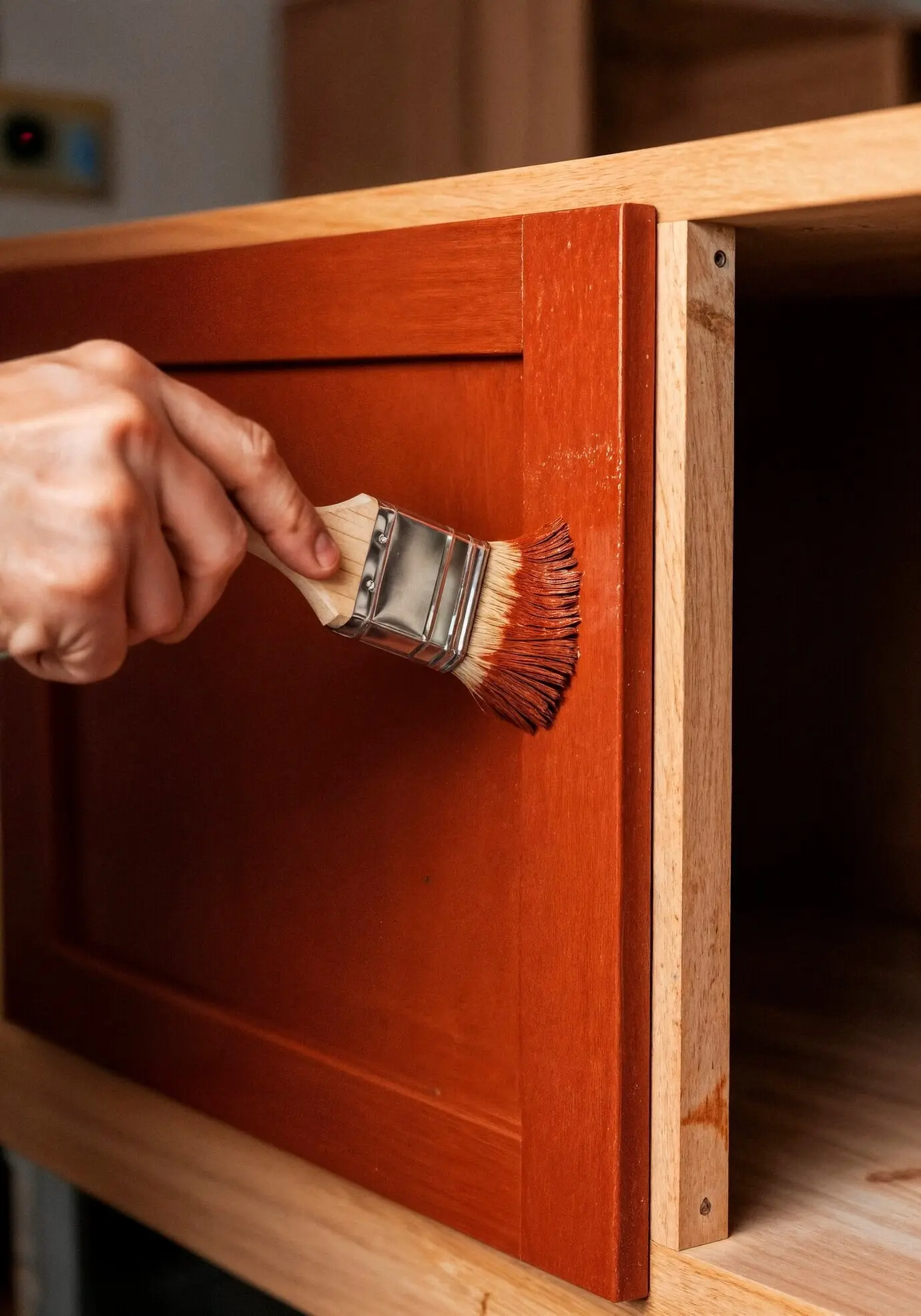
Understanding how climate touches wood, leather, metal, and textiles unlocks calmer care routines and fewer repairs. By pairing small environmental tweaks with mindful handling, you can cut waste, save money, and cherish comfort daily. Start simply, learn steadily, and share what works so others can benefit from your discoveries and avoid unnecessary replacements.

Moisture, Wood, and Time

Wood breathes. Low humidity shrinks panels and stresses joints; excess moisture swells fibers and invites warping or mold. Aim for steady mid-range humidity and gentle cleaning. Wipe spills quickly, lift rather than drag furniture, and let finishes cure fully. Consistency, not perfection, protects heirlooms while keeping your living spaces healthier and more comfortable.

Sunlight, Fabrics, and Finishes

Direct sun fades dyes, dries leather, and softens certain finishes. Diffuse light with sheer curtains, rotate cushions to even wear, and condition leather seasonally with low-impact balms. Test cleaners on hidden areas first. Combining shade, rotation, and gentle hydration preserves color depth, tactile softness, and structural resilience without harsh chemicals or energy-heavy interventions.

Temperature Swings and Joints

Rapid temperature changes stress glues, screws, and natural fibers. Keep pieces away from radiators, fireplaces, and vents, giving airflow without direct blasts. If a joint loosens, correct alignment before tightening fasteners. Small preventions beat major repairs, saving resources and keeping beloved furniture stable, safe, and ready for everyday moments that make a house feel welcoming.

Cleaning That Protects Air, Surface, and Planet

Smarter Homemade Solutions

A gentle soap solution often outperforms harsher products, especially on sealed wood and durable fabrics. Mix a few drops of castile soap in warm water, then wring cloths thoroughly. For glass or metal, diluted vinegar helps shine without streaks. Label bottles, test discreetly, and store safely, building reliable, repeatable routines that save money and reduce waste.

Choosing Polishes and Oils

A gentle soap solution often outperforms harsher products, especially on sealed wood and durable fabrics. Mix a few drops of castile soap in warm water, then wring cloths thoroughly. For glass or metal, diluted vinegar helps shine without streaks. Label bottles, test discreetly, and store safely, building reliable, repeatable routines that save money and reduce waste.

Gentle Stain Rescue

A gentle soap solution often outperforms harsher products, especially on sealed wood and durable fabrics. Mix a few drops of castile soap in warm water, then wring cloths thoroughly. For glass or metal, diluted vinegar helps shine without streaks. Label bottles, test discreetly, and store safely, building reliable, repeatable routines that save money and reduce waste.

Shaping the Indoor Climate for Lasting Comfort

A stable indoor climate preserves finishes, foams, and adhesives while supporting human comfort and energy savings. Track humidity and temperature with simple sensors; adjust gradually to avoid stress. Combine shading, ventilation, and targeted appliance use to reduce spikes. Thoughtful placement, routine checks, and small seasonal tweaks sustain materials and protect your investment without complicated equipment.

Humidity Targets and Tools

Aim for roughly forty to fifty percent relative humidity for most mixed-material rooms. Use dehumidifiers during muggy months and humidifiers when indoor heat dries air. Clean reservoirs often to prevent microbial growth. Place small hygrometers near vulnerable pieces, reviewing weekly. Consistent readings guide timely adjustments, preventing cracks, swelling, and the musty smells that signal trapped moisture.

Placement, Ventilation, and Shade

Keep furniture a few inches from walls for airflow, especially exterior walls that vary with weather. Angle pieces away from direct sun, using blinds or UV-filtering films where practical. Avoid floor vents aiming directly at wood or leather. These small layout choices reduce surface stress, enhance comfort, and trim energy use by encouraging balanced, efficient circulation year-round.

Seasonal Checklists That Actually Stick

Create short, repeatable lists: spring dusting and conditioning, summer dehumidifier checks, autumn rotation of cushions, winter humidifier care and felt-pad inspections. Tie tasks to calendar reminders, celebrate progress, and adjust as materials respond. Simple, friendly rituals make maintenance predictable, turning care into a calming rhythm rather than an urgent scramble when problems finally demand attention.

Repair, Renewal, and Longer Life

Extending life beats replacing even well-made pieces. Spot-sand scratches, tighten hardware, and re-glue joints before damage spreads. Choose water-based finishes when refinishing to protect air quality. Reupholster with durable, low-emission fabrics rather than purchasing new frames. These choices preserve memories, reduce embodied carbon, and keep character alive while honing satisfying, hands-on skills that build confidence.

Quick Fixes with Lasting Impact

Keep a small kit: wood markers, wax fill sticks, clamps, non-toxic glue, and microfiber cloths. Tackle squeaks, wobble, and surface scuffs early. Lightly sand with the grain and protect edges. Document methods and outcomes with photos so improvements are repeatable. Over time, your kit and notes become a personal care library that prevents costly, resource-intensive interventions.

When to Call a Professional

Complex veneer repairs, deep structural issues, and antique finishes often need expert hands. Get quotes that include process details and emissions profile for products used. Ask about water-based lacquers, dust collection, and responsible waste handling. Collaborating with skilled restorers preserves artistry and safeguards indoor health, transforming potential losses into learning moments and renewed appreciation for craftsmanship.

Second Lives Through Sharing

If a piece no longer fits your space, consider donation, resale, or community swapping before curbside disposal. Clean thoroughly, disclose condition honestly, and provide simple care notes. Passing furniture forward preserves materials and stories while reducing landfill burden. Your transparency helps the next caretaker start strong, reinforcing a friendly, circular culture that rewards mindful ownership and generosity.

Materials, Labels, and Better Choices

Understanding materials empowers safer decisions. Favor responsibly sourced wood, recycled metals, and low-emission adhesives and foams. Look for credible certifications, but trust your senses too—strong smells or oily residues can signal off-gassing. Ask makers about finishes and repairability. Durable construction that invites maintenance typically outlasts trend-driven designs, delivering comfort, reliability, and lighter environmental footprints over many years.

Responsible Wood and Thoughtful Alternatives

Seek verifiable sourcing and durable species matched to use. Engineered woods vary widely; ask about formaldehyde emissions and glue systems. Bamboo and cork can be resilient choices when finishes remain breathable and reparable. Prioritize joinery you can service at home. Materials that welcome sanding and re-coating are easier to refresh, delaying replacement and celebrating long-lived beauty.

Textiles, Foams, and Breathable Comfort

Choose upholstery with durable weaves and fiber blends that clean easily without harsh agents. Prefer foams with lower emissions or natural latex where suitable. Removable, washable covers simplify care and reduce professional cleaning cycles. Breathable layers reduce moisture trapping, discouraging odors and microbial growth. Comfort that manages humidity gracefully feels better and lasts longer through everyday family life.

Protective Layers Without Plastic Waste

Use wool felt pads under legs, natural rubber mats under planters, and washable throws for high-traffic seating. Skip disposable plastic covers that trap moisture and dull fabrics. Replace pads seasonally as they compress. Protection should preserve air flow and tactile qualities, keeping materials responsive to gentle cleaning while minimizing landfill contributions and unnecessary synthetic residues in your home.

Small Metrics, Big Motivation

Note dates of conditioning, filter changes, and humidity checks in a shared family calendar. Compare before-and-after photos of finishes and cushions. Watch for fewer squeaks, looser dust, and lighter odors. These little victories confirm routines are working, guiding gentle adjustments rather than drastic overhauls while encouraging supportive conversations about comfort, health, and responsible stewardship at home.

Stories from Real Homes

Consider Ava, who placed hygrometers near her oak table and shifted curtains to diffuse afternoon sun. Scratches slowed, color held, and gatherings felt fresher. Marcus switched to water-based finishes during a refinish and noticed clearer mornings. Your experiences matter too—share them so others can adapt ideas to their rooms, budgets, climates, and personal routines with confidence.

Your Voice, Our Community

Tell us what worked, what failed, and what surprised you. Ask questions about stubborn stains, tricky humidity, or finish choices. Comment with photos and routines so we can learn together. Subscribe for seasonal checklists, material deep dives, and friendly reminders that keep momentum alive without overwhelm. Your insights help shape caring homes that breathe, glow, and endure.
Liponukofafaloxixaze
Privacy Overview

This website uses cookies so that we can provide you with the best user experience possible. Cookie information is stored in your browser and performs functions such as recognising you when you return to our website and helping our team to understand which sections of the website you find most interesting and useful.