Make It Last: Circular Care for the Furniture You Love

Today we explore circular furniture care—upcycling, spare parts replacement, and responsible recycling—so the pieces you already own keep serving brilliantly. Expect step‑by‑step ideas, practical tool tips, and honest stories that reduce waste, save money, and celebrate design integrity. Join in, ask questions, and share progress to inspire others.

From Linear to Circular: Rethinking the Life of a Chair

Most furniture journeys follow buy, use, and bin. We propose a smarter loop that prioritizes repair, thoughtful upgrades, parts replacement, and finally material recovery. By learning to assess condition, materials, and effort, you’ll pick the next right step confidently, honoring craft and planet while keeping beloved chairs, tables, and cabinets working longer.

Upcycling Techniques that Elevate, Not Just Decorate

Surface Transformations
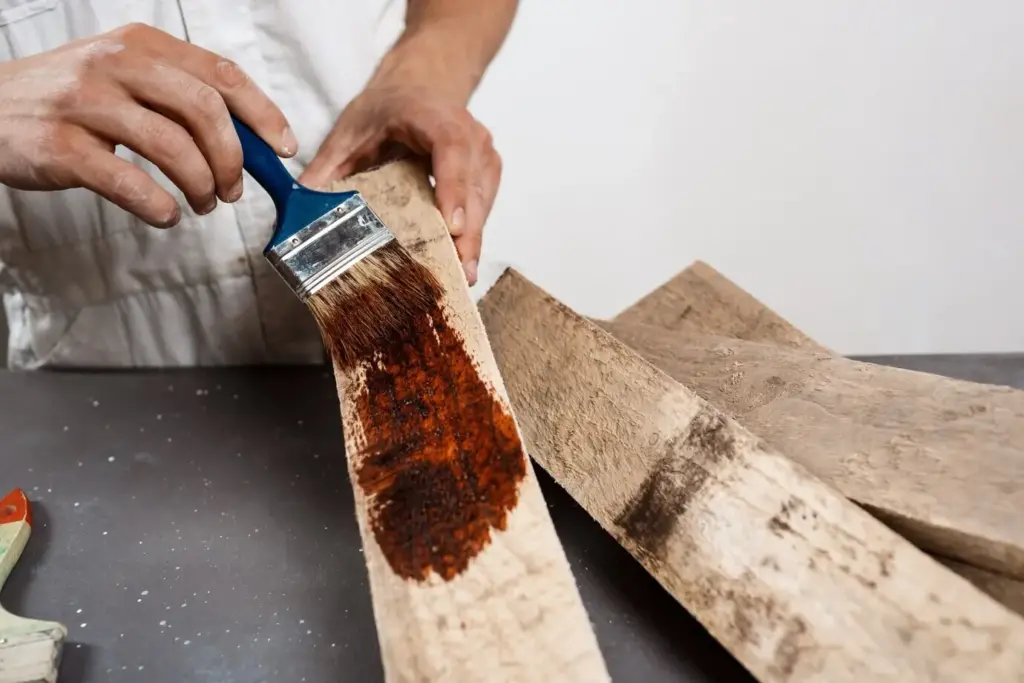
Respect the grain before repainting. Clean with mineral spirits, sand progressively, and patch chips with wood filler or shellac sticks. Use water‑borne primers and durable, low‑toxicity paints. For stained pieces, test color on hidden areas, apply thin coats, and finish with wax or hardwax oil for repairable protection.

Textile Alchemy

Reupholstery revives sagging seats and dated fabrics. Evaluate webbing and foam, opt for natural latex or high‑resilience options, and select durable textiles with high rub counts. Keep staples tidy, document layer order, and reuse intact padding where possible to reduce waste while achieving comfort, style, and breathability.

Creative Hybrids

Combine mismatched components thoughtfully: a salvaged stone top on a sturdy base, cabinet doors turned into headboards, or table legs refitted as plant stands. Reinforce joints with dowels or brackets, check load paths, and sand transitions smooth so the result feels intentional, safe, and long‑lasting.

Sourcing Channels That Actually Deliver

Start with the original brand’s support or exploded diagrams, then broaden to architectural salvage, specialist hardware stores, online marketplaces, and community swaps. Verify materials, dimensions, and load ratings. Ask sellers for photos and measurements, and document everything so returns are painless and future fixes take minutes, not days.

Measuring Like a Pro

A small caliper and thread gauge remove guesswork. Capture inner and outer diameters, pitch, and center‑to‑center hole distances. Keep a reference card of common standards such as M6, M8, #10‑24, and Euro‑screw sizes. Accurate measurements save cash, reduce returns, and ensure parts seat squarely and securely.

3D‑Printed and CNC Options

When originals are discontinued, fabricate responsibly. Model bushings, caps, feet, or trim clips, then print in PETG or nylon for durability, or machine replacements in hardwood and aluminum. Test fit, iterate, and share files with community libraries to multiply impact and keep legacy furniture fully functional.

Responsible Recycling When Repair Is No Longer Right

Sometimes damage, pests, or swollen composites make further repair unsafe. Responsible recycling starts with careful sorting, de‑nailing, and protecting yourself from dust and sharp edges. Understand local rules and extended producer programs so wood, metal, foam, and fabrics find appropriate endpoints instead of burdening landfills.

Cleaning That Respects Materials

Different surfaces need different care. Use barely damp microfiber on wood, mild soap on metals, and solvent‑specific cleaners for sticky residues. Avoid silicone polishes that hinder future refinishing. Test in hidden spots, work with the grain, and dry thoroughly so finishes stay breathable yet resilient.

Preventive Protection

Felt pads reduce grinding, rugs distribute loads, and clear bumpers stop doors from slamming. Refresh wax or oil before finishes look dry, not after damage appears. Keep a small kit of pads, glides, touch‑up sticks, and screws ready so tiny issues never grow into structural problems.

Climate and Light

Wood breathes, fabrics fade, and glues creep when conditions swing. Aim for forty to fifty‑five percent relative humidity, shield from harsh sun with UV‑filtering films, and ventilate newly finished pieces. A calm environment preserves joints, color, and coatings, reducing maintenance and extending service life substantially.

Community Power: Share, Trade, and Learn Together

Circular practice thrives in community. Attend repair cafés, join local maker spaces, and follow reuse groups where parts and advice circulate freely. Share photos, ask for second opinions, and celebrate outcomes. Subscribe for workshops, guides, and interviews that keep momentum strong and invite collaboration across neighborhoods.
Liponukofafaloxixaze
Privacy Overview

This website uses cookies so that we can provide you with the best user experience possible. Cookie information is stored in your browser and performs functions such as recognising you when you return to our website and helping our team to understand which sections of the website you find most interesting and useful.