Fortify Your Patio: Weatherproofing Outdoor Furniture Against Heatwaves, Heavy Rain, and Storms

Today we focus on weatherproofing outdoor furniture for heatwaves, heavy rain, and storms, turning vulnerable pieces into resilient companions. Learn materials, finishes, layout, and maintenance strategies proven in real backyards, so your setup stays comfortable, safe, and beautiful through volatile seasons. Expect practical checklists, surprising fixes, and community-sourced wisdom that protect investments and invite more carefree evenings outside, even when forecasts swing between scorching sunshine and roaring downpours.

How Heat, Water, and Wind Wear Things Down
Understanding the forces at play helps you prevent damage before it starts. Ultraviolet radiation dries oils in wood and weakens synthetic fibers; humidity feeds mildew and corrosion; wind acts like a lever, prying at joints and fabric seams. By seeing how these pressures accumulate, you can choose smarter materials, apply durable coatings, position furniture strategically, and respond quickly after rough weather, preserving comfort and appearance without replacing pieces every couple of seasons.

Picking Materials That Endure

The right foundation matters. Dense, oily woods like teak resist swelling and rot; powder‑coated aluminum shrugs off rust; HDPE lumber laughs at moisture; marine-grade fabrics repel UV and drying cycles. Even the best material fails with poor hardware, so specify stainless or coated fasteners and drainage-friendly construction. Balance weight for stability with maintainability, remember local climate quirks, and invest where it counts most—surfaces, joints, and textiles that face the elements every single day.

Wood Choices and Grain Reality

Teak, ipe, and robinia resist decay thanks to dense fibers and natural oils, yet they still benefit from thoughtful sealing and gentle cleaning. Pay attention to end grain, where water eagerly intrudes, and to joinery that allows seasonal movement without splitting. Softer woods can last beautifully when protected with penetrating oils and end-grain sealers. Look for responsibly sourced lumber, stable construction, and replaceable slats so maintenance stays manageable rather than overwhelming during humid seasons.

Metals, Coatings, and Galvanic Traps

Powder-coated aluminum offers light weight and corrosion resistance, while stainless steel hardware resists pitting if you choose appropriate grades for coastal air. Avoid mixing dissimilar metals without insulating washers, which can trigger galvanic corrosion in wet environments. Touch up chips before rust sprawls under coatings. For steel, zinc-rich primers add sacrificial protection; for iron, thorough prep and quality topcoats matter. Well-chosen coatings turn metal frames into steadfast anchors when storms threaten and salt breezes linger.

Fabrics, Foams, and Quick-Dry Wisdom

Solution-dyed acrylics remain colorfast under brutal sun and shed light showers, while PVC mesh and reticulated foams drain swiftly after heavy rain. Prioritize UV-stable threads and reinforced seams that resist splitting under tension. Removable covers simplify deep cleaning and speed drying. Choose textures that breathe rather than trap humidity, and consider zippered gussets for airflow. With thoughtful textile choices, cushions bounce back quickly, odors never settle in, and weekends feel inviting even after stormy nights.

Finishes, Sealers, and Smart Chemistry
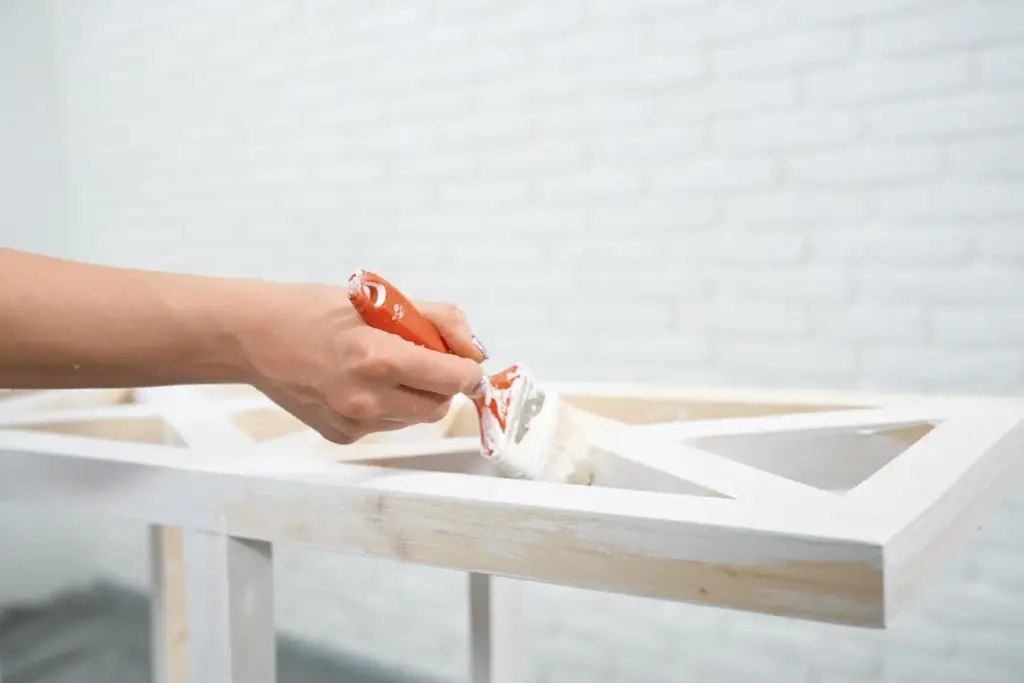
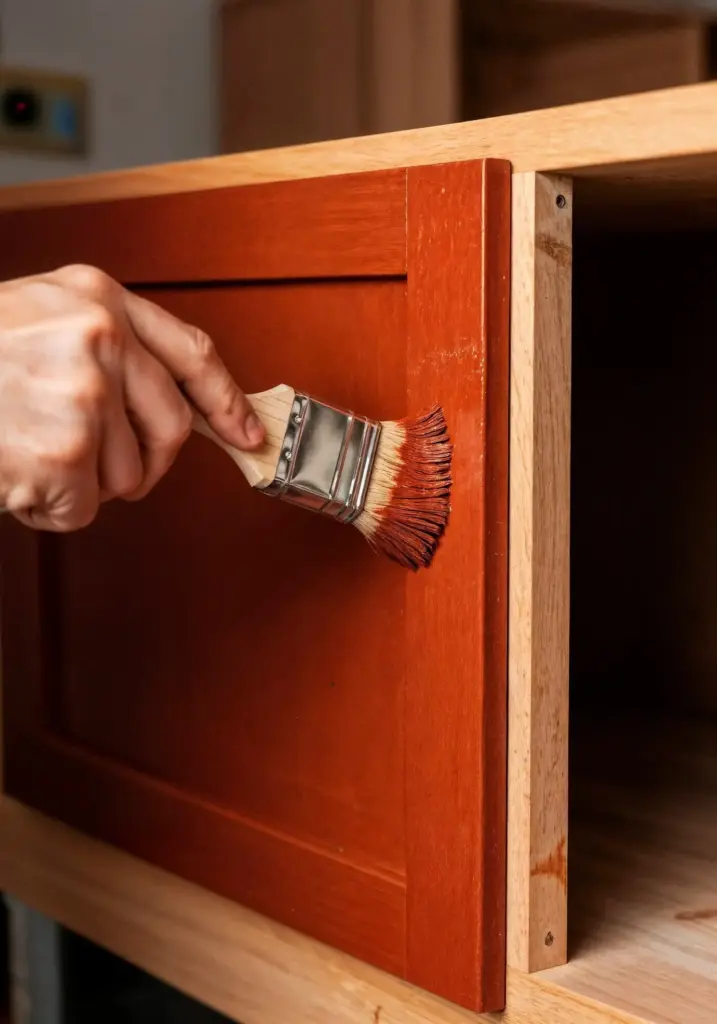
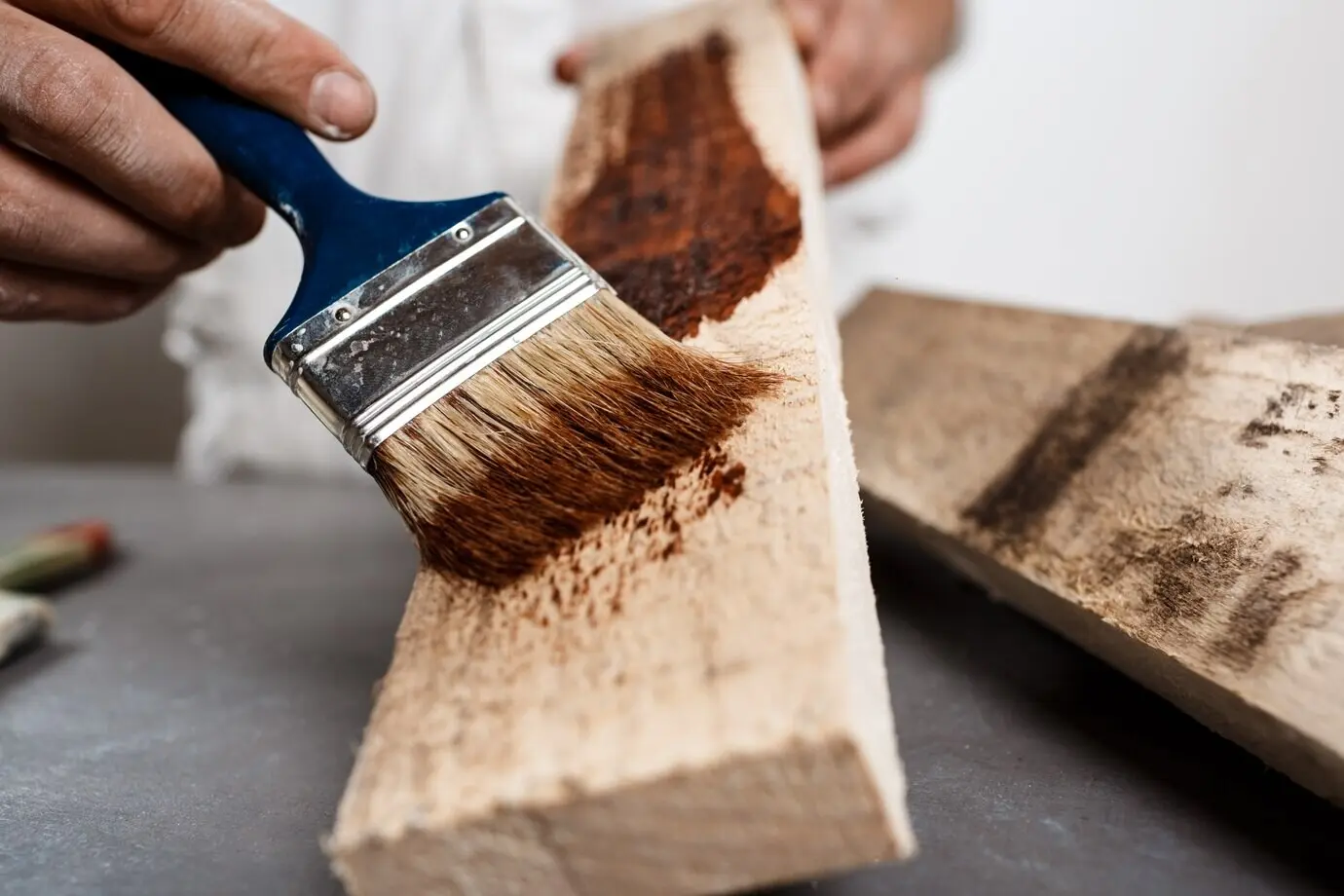
Surface science extends lifespan dramatically. Penetrating oils enrich grain and slow water uptake; spar varnish flexes with heat and wind; modern water-based sealers add UV blockers without heavy fumes. For metals, etching primers and durable powders stop oxidation before it spreads. Plastics benefit from cleaners that restore sheen and protectants that filter sunlight. Choose products matched to material, climate, and usage, and schedule reapplication before dullness, checking edges, joints, and any frequently handled surfaces.

Covers, Shade, and Layout That Work With Weather

Protection is as much about airflow and release as it is about barriers. Breathable, vented covers prevent condensation, while shade sails and pergolas drop surface temperatures dramatically. Arrange seating to reduce wind exposure and allow drainage, and avoid tarps that trap moisture. Use furniture glides and risers to lift feet from puddles. Thoughtful layout turns your yard into a resilient stage that shrugs off downpours and blinding sun without sacrificing comfort or style.

Care Routines That Pay Off

Consistency beats heroics. Gentle soap, soft brushes, and timed rinses preserve coatings, while monthly inspections catch loosened screws or early mildew. Reapply protectants before finishes look exhausted, not after. Keep a small caddy with microfiber cloths, rust-inhibiting spray, and oil for wood handles. Tie maintenance to seasons and forecasts for the easiest habit. Over time, these quick rituals compound into furniture that feels new, dependable, and ready whenever neighbors drop by unexpectedly.

Before the Forecast Turns Red

Create a short checklist and store it near the back door. Close umbrellas, remove glass tops, coil loose lights, and move lightweight chairs behind windbreaks. Use quick-release buckles on straps so securing frames takes seconds. Keep gloves, headlamp, and extra bungees ready for late-night surprises. If flooding is possible, elevate wood feet on blocks. Preparations done early feel effortless, save money, and let you focus on your family when warnings escalate rapidly.

Anchoring and Stacking Techniques

Tie down larger tables with discreet anchors or sandbags hidden under skirts. Stack chairs low and cross-strap them so wind cannot wedge between seats. Vent covers to reduce uplift; remove loose décor that becomes hazardous. For decks, consider anchor points aligned with joists for real holding power. Practice the sequence once during calm weather so muscle memory kicks in later. Well-secured furniture resists chaotic gusts and stays where it should when storms roar through.

Smart Storage for the Off-Season

Dry everything thoroughly before stowing, then cover loosely to allow breathing. Shelving keeps cushions off concrete floors that wick moisture, and labeled bins protect hardware for easy spring assembly. If space is tight, prioritize textiles and lighter frames indoors while leaving treated hardwoods outside under vented covers. Desiccant packs help in humid garages, and rodent-safe containers protect foams. Thoughtful storage preserves freshness, prevents warping, and shortens your springtime to‑do list to a cheerful, easy ritual.

Real-World Lessons and Community Tips

Stories power confidence. After a sudden cloudburst soaked a reader’s terrace, quick-dry foam, breathable covers, and added risers transformed cleanup from days to hours. Another neighbor’s anchored bench spared a window during a wild storm. Share your experiments, ask questions, and subscribe for seasonal reminders and tool lists. Together we collect resilient ideas, celebrate wins, and keep patios welcoming through capricious forecasts, ensuring outdoor spaces feel like dependable extensions of home rather than fragile décor.
Liponukofafaloxixaze
Privacy Overview

This website uses cookies so that we can provide you with the best user experience possible. Cookie information is stored in your browser and performs functions such as recognising you when you return to our website and helping our team to understand which sections of the website you find most interesting and useful.