Guarding Furniture Through Shifting Air and Seasons
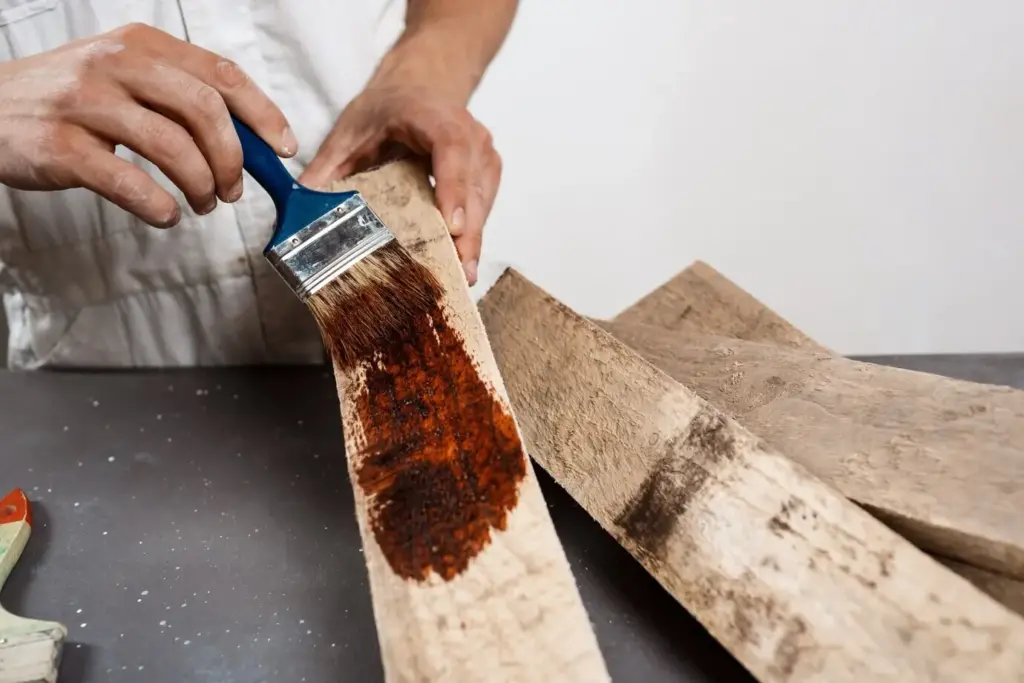
Today we explore humidity and temperature management to protect furniture across climate zones, translating museum-tested practices into everyday routines. Whether you live by the ocean, in a desert, on a snowy plateau, or move between them, you will learn how to balance indoor air, prevent damage, and preserve character with habits, tools, and placement strategies that fit real homes.

Why Air Matters More Than You Think

Air carries moisture that flows in and out of wood, leather, and finishes, reshaping dimensions, stressing joints, and inviting corrosion or mold. Across climates, the pace of change is the real hazard. Gentle, predictable shifts keep materials calm; sudden spikes or dips strain fibers, veneers, and adhesives. Understanding these forces makes every later decision, from equipment to placement, more confident, practical, and consistently protective.

Targets You Can Actually Hit at Home

You do not need laboratory control to keep furniture safe. A steady relative humidity between roughly forty and fifty-five percent with modest, seasonal drift, paired with comfortable room temperatures, prevents most movement shocks. Consistency beats precision. Small daily adjustments, accurate measurement, and patience reduce risk dramatically. Think in narrow ranges, avoid sudden transitions, and let materials settle gently before judging fit or finish changes.

01

A Safe Operating Window for Most Pieces

Aim for a relative humidity around forty-five to fifty-five percent and temperatures near sixty-five to seventy-five degrees Fahrenheit. Veneered casework tolerates changes better than thick, solid planks, while antiques often prefer calmer, narrower swings. Set expectations for gradual seasonal drift, and rely on dependable instruments rather than guesswork. When in doubt, prioritize steadiness over strict numbers, and document readings to guide decisions.

02

Microclimates Around Windows, Walls, and Appliances

Near exterior walls and large panes, temperatures dip and humidity condenses, stressing finishes and joints. Radiators and vents create hot spots that dry edges fast while interiors lag behind. Kitchens and bathrooms spike humidity during use. Map these patterns with a simple sensor walk, then give furniture breathing room, use insulating pads, and avoid pushing delicate pieces into corners where air barely circulates.

03

Acclimation When New Pieces Arrive

Before unboxing fully, allow new or newly restored furniture to rest in a neutral room for several days, then gradually remove packing to limit sharp changes. Monitor humidity and temperature nearby, not across the house. Tighten hardware after settling, delay waxing or heavy polishing, and let drawers slide naturally for a week. Acclimation prevents misdiagnosing normal movement as defects and reduces stress overall.

Equipment That Works While You Live Your Life

Evaporative models are forgiving and avoid the white dust ultrasonic units can leave on finishes, though they need wick changes. Steam units are precise yet energy hungry. Whatever you choose, use low-mineral water, rinse daily, disinfect weekly, and replace filters promptly. A built-in humidistat prevents over-shooting, and placing the unit away from furniture avoids localized wetting that can warp thin veneers or edges.
Size a dehumidifier to room volume and moisture load, route a continuous drain when possible, and keep coils clean for efficiency. Avoid corner placement that traps air; instead, create gentle circulation paths. Watch for icing in cooler basements and use auto-defrost features. Set targets near fifty percent relative humidity and let the machine cycle slowly rather than chasing momentary spikes created by showers or cooking.
Compact Bluetooth or Wi‑Fi hygrometers track conditions precisely, revealing hidden patterns around windows, vents, and closed cabinets. Set alerts when relative humidity drops below thirty-five percent or exceeds sixty. Pair smart plugs with humidifiers and dehumidifiers for gentle automation. Replace batteries on schedule, avoid direct sunlight, and calibrate periodically with a salt pack. A small dashboard view turns guesswork into confident, timely adjustments.

Placement, Light, and Protective Finishes
Mapping Hotspots Before You Position Anything

Spend a day observing drafts with incense, noting sunny paths across floors, and feeling for cold patches along exterior walls. Give each piece a few inches of breathing room, particularly behind backs and under tabletops. Add rugs above chilly slabs, deflect vents, and use UV films or shades on bright windows. This simple survey prevents many headaches and keeps indoor climate more uniform.

Understanding Finishes as Moisture Managers

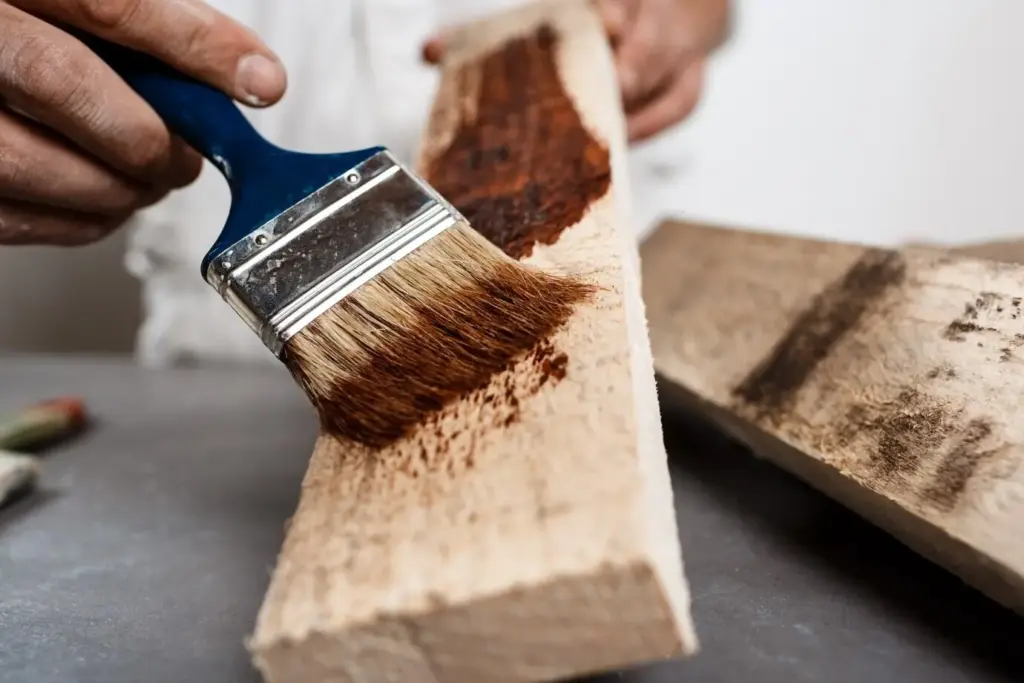
Film-forming finishes like varnish, lacquer, and shellac slow moisture exchange, yet none create a perfect barrier. Penetrating oils breathe more, trading protection for a softer feel. The secret is balance: seal all sides, including undersides and interiors, to even out uptake. Maintain wax as a sacrificial layer, skip silicone polishes that complicate future repairs, and favor touch-ups over aggressive sanding that thins protection.

Small Habits With Outsized Payoff

Use coasters and breathable mats under plants and humidifiers, wipe spills immediately, and leave cabinet doors slightly open on wet days to equalize air. Rotate textiles out of direct sun, lift rather than drag pieces, and renew wax seasonally. Document conditions briefly each week. These modest routines cost little, build awareness, and steadily reduce risks from fluctuating humidity, temperature swings, and accidental hot or wet spots.

Coastal Home with Salt, Mist, and Monsoon Swings
Target relative humidity near fifty percent with a steady dehumidifier and cross‑ventilation when storms pass. Wax metal hardware with microcrystalline wax against corrosion, and add silica gel packets inside drawers and credenzas. Elevate legs above damp floors, dry entry rugs promptly, and avoid running air conditioning too cold, too fast. Allow rooms to normalize slowly after rain, protecting veneer edges and marquetry seams.

High Desert Loft Where Air Drinks Water

Use an evaporative humidifier for efficient moisture without residue, supplement with bowls of water near radiators, and add rugs, books, and curtains to buffer swings. Condition leather carefully and store textiles in breathable bins. Keep sensors at shelf height, not on floors, and aim for gradual evening rises in humidity. Plants help, but place trays on mats so finishes avoid standing moisture and mineral rings.

Your Plan, Our Community

Protecting furniture becomes easier with a rhythm you can repeat and a place to ask questions. Build a routine, track a few numbers, and share what you discover so others learn faster. We invite you to comment with readings, photos, and ideas, subscribe for printable checklists and reminders, and request future deep dives. Together we can turn careful attention into lasting comfort and preservation.
Liponukofafaloxixaze
Privacy Overview

This website uses cookies so that we can provide you with the best user experience possible. Cookie information is stored in your browser and performs functions such as recognising you when you return to our website and helping our team to understand which sections of the website you find most interesting and useful.